


To understand the financial backbone of any business, it’s crucial to grasp two key concepts: bookkeeping and accounting. Although these terms are often used interchangeably, they represent distinct yet complementary functions essential for maintaining a company’s financial health. Whether you’re a business owner, an aspiring finance professional, or an entrepreneur seeking clarity on financial management, this comprehensive guide will help you understand their differences, definitions, and objectives.
What is bookkeeping?
Bookkeeping involves systematically recording, organizing, and maintaining a business’s daily financial transactions. It establishes the foundation for a company’s financial management system by capturing every financial activity within the organization.
Bookkeepers document all monetary transactions, including sales, purchases, receipts, and payments. They ensure every rupee spent or earned is accurately recorded, creating a detailed financial history for reference at any time.
In essence, bookkeeping can be defined as the day-to-day process of systematically recording and organizing financial transactions to create an accurate chronological record of all monetary activities.
Modern bookkeeping has evolved dramatically with technology, transitioning from traditional ledger books to advanced software. Today’s bookkeepers use cloud-based platforms to streamline various tasks, such as
- Recording invoices and bills
- Tracking daily expenses
- Managing payroll entries
- Reconciling bank statements
- Maintaining ledgers and journals
- Processing receipts and payments
This technological advancement has made bookkeeping more accurate, efficient, and accessible to businesses of all sizes.
What is accounting?
Accounting is a broader financial discipline that interprets, analyzes, summarizes, and reports financial information based on data provided by bookkeeping. While bookkeeping focuses on recording transactions, accounting transforms that raw data into meaningful insights to guide business decisions.
Accountants prepare financial statements, analyze performance, forecast future trends, and ensure compliance with tax regulations. They provide strategic insights that empower business owners to understand their financial position and make informed decisions about growth and investments.
Accounting encompasses the entire financial management cycle, including:
- Preparing balance sheets and income statements
- Conducting financial analyses
- Tax planning and preparation
- Budgeting and forecasting
- Providing strategic advisory services
- Ensuring regulatory compliance
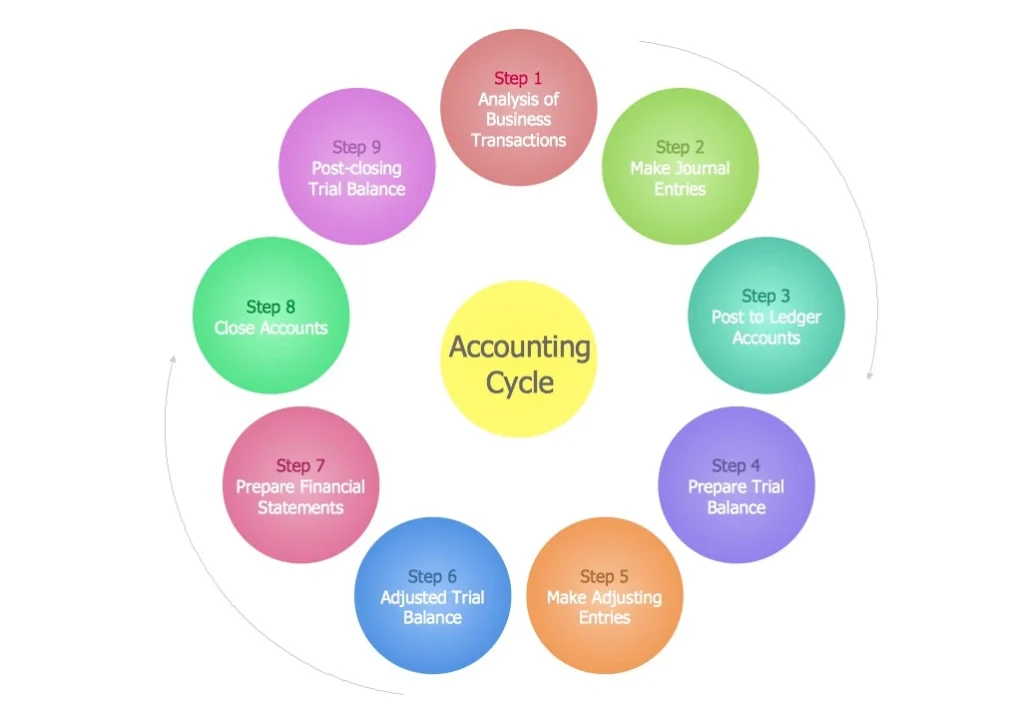
Accountants act as financial advisors, helping businesses navigate complex financial landscapes, identify trends in financial data, and assess the implications of business decisions.
Objectives of Bookkeeping
Understanding the objectives of bookkeeping clarifies its vital role in business operations:
1. Systematic Record Maintenance: Establishing a complete record of all financial transactions creates a reliable database, invaluable during audits or tax preparations.
2. Transaction Tracking: Accurate tracking helps businesses understand spending patterns and revenue sources, enabling better cash flow management.
3. Supporting Financial Statements: Well-maintained books provide the necessary raw data for preparing accurate financial statements that stakeholders rely on.
4. Facilitating Tax Compliance: Accurate records simplify tax filing, allowing businesses to substantiate income and deductions.
5. Detecting Errors and Fraud: Regular recording helps identify discrepancies and potential fraud early, preventing serious issues.
6. Providing Financial Control: Fostering discipline by ensuring all transactions are documented and authorized according to company policies.
7. Supporting Business Growth: Systematic recordkeeping aids in managing increased transaction volumes during expansion.
Objectives of Accounting
Accounting’s goals are more strategic and analytical:
1. Financial Performance Assessment: Evaluates a company’s financial health through profitability, efficiency, and overall performance analysis.
2. Informed Decision Making: Provides management with accurate financial information to support strategic decisions regarding investments and expansions.
3. Regulatory Compliance: Ensures compliance with tax laws and financial reporting standards through proper filings and statements.
4. Stakeholder Communication: Translates financial data into comprehensible reports for investors, creditors, and regulatory authorities.
5. Financial Planning and Forecasting: Utilizes historical data to assist in setting budgets and forecasting revenues and expenses.
6. Cost Management: Identifies areas of waste and implements control strategies to enhance profitability.
7. Asset Protection: Safeguards company assets from misappropriation or misuse through effective financial controls.
Bookkeeping and Accounting: Key Distinctions
Understanding the differences between bookkeeping and accounting is essential for effective financial management:
| Aspect | Bookkeeping | Accounting |
| Primary Focus | Recording daily financial transactions | Interpreting and analyzing financial data |
| Scope | Transactional and clerical | Analytical and strategic |
| Skill Level | Basic to intermediate knowledge | Advanced expertise and certification |
| Key Activities | Recording transactions, maintaining ledgers, and bank reconciliation | Preparing statements, tax planning, financial analysis, and budgeting |
| Output | Organized financial records | Financial statements, tax returns, management reports, forecasts |
| Decision-Making | Provides data | Generates strategic insights |
| Certification | Optional | Often requires CA, CPA credentials |
| Time Orientation | Past-focused | Past and future-focused |
| Financial Statements | Maintains underlying data | Prepares and interprets statements |
| Regulatory Role | Maintains documentation | Handles tax filings and compliance |
This table illustrates how bookkeeping serves as the data collection function, while accounting transforms that data into strategic business intelligence.
The Synergy Between Both Functions
Instead of viewing bookkeeping and accounting as separate functions, successful businesses recognize their complementary nature. Think of bookkeeping as gathering puzzle pieces, while accounting assembles them into a complete picture that reveals your business’s financial story.
The relationship works like this:
- Bookkeeping lays the groundwork: It provides accurate, organized financial data through systematic recording.
- Accounting builds strategic insights: It transforms raw data into meaningful analysis and recommendations.
- Together, they ensure compliance: Their combined efforts keep businesses legally compliant and financially healthy.
- Technology enables integration: Cloud-based platforms allow real-time collaboration and data sharing.
Modern businesses integrate both functions using technology platforms to enable seamless workflows. Transactions recorded by bookkeepers immediately become available for accountants to analyze for strategic planning, resulting in timely financial insights and better-informed business decisions.
Professional Accounting and Bookkeeping Services
Many businesses, especially small and medium enterprises, choose to outsource their financial functions. This approach offers numerous advantages:
- Cost savings compared to hiring full-time staff
- Access to specialized expertise
- Ability to focus on core business activities
- Scalability as your business grows
- Access to advanced technology platforms
Professional accounting and bookkeeping services deliver comprehensive solutions, from daily transaction recording to year-end tax preparation, ensuring accurate records and expert financial strategy.
Local service providers understand regional regulations and business practices. For instance, accounting firms in Chennai feature a robust financial services industry, ranging from small boutique practices to large firms offering comprehensive services.
Choosing the Right Service Provider
When selecting a service provider, consider these factors:
- Industry experience and expertise
- Technology platforms used
- Range of services offered
- Pricing structure and transparency
- Reputation and client testimonials
- Responsiveness and customer service
- Certifications and qualifications
The right partner can significantly contribute to your business’s success by offering not just technical expertise but also strategic insights that help navigate challenges and capitalize on opportunities.
Making the Right Choice for Your Business
Deciding whether to manage financial functions in-house, outsource them, or adopt a hybrid approach depends on several factors. Tailored Approaches for Different Business Sizes
For Small Startups:
Small startups typically start with basic bookkeeping software and manage simple transactions internally. As their business grows and financial complexities increase, they often benefit from professional accounting services for tasks like tax preparation and strategic planning.
For Mid-Sized Businesses:
Mid-sized companies frequently find that outsourcing their financial functions provides the best balance of cost and expertise. This allows them to access professional-level services without incurring the overhead of full-time staff.
For Large Enterprises:
Large enterprises usually maintain dedicated in-house teams for financial management but may still choose to outsource specialized functions, such as audits or international tax compliance, to enhance efficiency.
Conclusion
The difference between bookkeeping and accounting is significant yet complementary. Bookkeeping provides the systematic recording of transactions, laying the essential groundwork that captures every financial activity. Accounting builds on this foundation, transforming data into insightful analyses and strategic decision-making that guides business success.
Both functions are indispensable, whether you handle them in-house, outsource them, or adopt a hybrid model. By recognizing the distinct purposes of bookkeeping and accounting and investing appropriately in each, businesses can achieve financial clarity, maintain regulatory compliance, and foster sustainable growth. The key lies in finding the right balance and the right partners to support your evolving needs in today’s competitive business landscape.
