In today’s complex business environment, businesses must prioritize compliance with ever-changing regulations. Adhering to legal standards is not just a necessity; it’s essential for achieving sustainable growth and effective risk management. Whether you’re a startup, a growing business, or an established corporation, grasping the significance of compliance services is crucial.
What are Compliance Services?
Compliance services provide professional assistance to businesses, ensuring they meet legal, regulatory, and statutory requirements set by government authorities and industry bodies. These services encompass activities that help organizations operate within their industry’s legal framework, covering everything from tax filings to corporate governance.
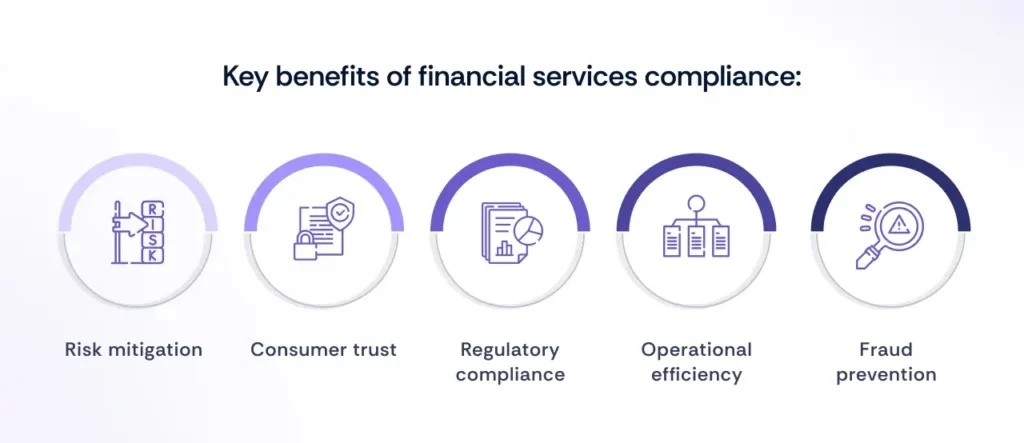
Key aspects of compliance services include:
- Monitoring and implementing regulatory requirements
- Maintaining proper documentation and records
- Filing necessary returns on time
- Adhering to tax laws
- Managing corporate governance responsibilities
- Avoiding penalties and legal repercussions
- Adapting business practices to meet changing regulations
- Offering advisory support for compliance-related decisions
Professional compliance service providers guide businesses through this intricate landscape, allowing them to focus on core operations while ensuring legal alignment. They stay updated on regulatory changes, interpret complex legal requirements, and convert them into actionable steps.
The scope of compliance services varies based on business structure, size, industry, and location. A small sole proprietorship may need basic tax compliance, while a public limited company may require extensive services involving multiple regulatory agencies.
Why are Compliance Services Important?
Avoiding Legal Troubles:
- Prevent hefty fines and penalties
- Reduce the risk of legal proceedings
- Protect the business from closure
- Maintain good standing with authorities
Non-compliance can lead to serious financial and legal consequences. Late filings, incorrect information, or complete neglect can result in minor fines to severe monetary penalties. In extreme cases, businesses may face prosecution or suspension of operations.
Business Benefits:
- Offers peace of mind to management
- Enhances credibility with stakeholders
- Improves access to funding and investors
- Strengthens customer and partner trust
Proper compliance fosters a positive business environment. Companies with clean compliance records demonstrate reliability, making banks and financial institutions more willing to extend credit. Investors prefer transparent companies, while customers feel more confident engaging with compliant businesses.
Staying Updated:
- Tracks regulatory changes
- Ensures timely adaptation to new laws
- Prevents last-minute compliance rushes
- Reduces errors in filing and documentation
In India, the regulatory landscape constantly evolves, with changes in tax laws and compliance requirements. Managing these changes alongside daily operations can be overwhelming. Professional compliance services monitor these shifts, helping businesses adapt.
Strategic Advantages:
- Legally optimize tax liabilities
- Improve operational efficiency
- Enhance corporate reputation
- Support long-term business sustainability
Good compliance practices contribute to effective business management. Keeping accurate records, conducting regular audits, and adhering to governance norms fosters a disciplined culture, leading to better decision-making and stronger operational controls.
Types of Compliance Services
1. Sole Proprietorship Compliance
What is it? A sole proprietorship is the simplest form of business where the owner and the business are the same entity.
Key Requirements:
- Income tax return filing
- GST registration and returns (if turnover exceeds threshold)
- Professional tax compliance
- Maintenance of books of accounts
- Local business licenses and permits
Who needs it? Individual entrepreneurs, freelancers, consultants, and small business owners.
2. Partnership Firm Compliance
What is it? A partnership involves two or more individuals sharing profits and managing a business together.
Key Requirements:
- Register and maintain a partnership deed
- File income tax returns for the firm
- Ensure GST compliance
- Maintain proper books of accounts
- File Form ITR-5
Who needs it? Traditional businesses, family-run enterprises, and professional collaborations.
3. One Person Company (OPC) Compliance
What is it? An OPC allows a single individual to operate as a corporation with limited liability.
Key Requirements:
- File annual financial statements with the ROC
- Annual return filing (Form MGT-7)
- Conduct board meetings
- Maintain statutory registers
- Comply with income tax and GST
Who needs it? Solo entrepreneurs, startups with one founder, and small businesses seeking limited liability.
4. Limited Liability Partnership (LLP) Compliance
What is it? An LLP combines partnership flexibility with limited liability benefits.
Key Requirements:
- File annual returns (Form 11)
- Statement of Account and Solvency (Form 8)
- Income tax return filing
- Maintain proper documentation
Who needs it? Professional firms (like CA, lawyers) and small to medium enterprises.
5. Private Limited Company Compliance
What is it? A private limited company is a privately held entity with limited liability.
Key Requirements:
- Hold quarterly board meetings
- Conduct an Annual General Meeting (AGM)
- File annual returns (Form MGT-7)
- Ensure compliance with income tax, GST, and TDS
Who needs it? Growing businesses and ventures seeking funding.
6. Public Limited Company Compliance
What is it? A public limited company can raise capital from the public and may be listed on stock exchanges.
Key Requirements:
- Frequent board and committee meetings
- Conduct Annual and Extraordinary General Meetings
- Comply with SEBI regulations (if listed)
- Extensive disclosure and transparency norms
Who needs it? Large corporations and enterprises with a wide shareholder base.
Quick Comparison: Types of Compliance Services
| Business Structure | Key Compliance Requirements | Best For |
| Sole Proprietorship | • Income tax filing • GST returns • Basic bookkeeping | • Individual entrepreneurs • Freelancers • Small businesses |
| Partnership Firm | • Partnership deed • Income tax returns • GST compliance | • Family businesses • Professional collaborations • Small enterprises |
| One Person Company (OPC) | • Annual returns • Financial statements • Board meetings | • Single owners • Startups • Small corporate structure |
| Limited Liability Partnership (LLP) | • Form 11 & Form 8 • Income tax filing • Partner meetings | • Professional firms • Small to medium businesses • Service providers |
| Private Limited Company | • Board meetings • Annual General Meeting• ROC filings | • Growing businesses • Companies seeking funding • Multiple shareholders |
| Public Limited Company | • Board meetings • AGM & EGM • SEBI regulations | • Large corporations • Listed companies • Public fundraising |
Common Challenges in Compliance and How to Overcome Them
Despite businesses understanding the importance of compliance, staying fully aligned with regulations can still be difficult. This is mainly because regulatory requirements evolve frequently, and handling them alongside day-to-day operations can become overwhelming. Manual paperwork and tight filing timelines often add to the pressure.
Some of the most common challenges businesses face include:
- Frequent changes in tax and regulatory laws
- Time-consuming documentation and record maintenance
- Limited internal expertise on compliance matters
- Filing deadlines that come up faster than expected
- Lack of streamlined communication between departments
However, these challenges can be managed effectively with the right approach. Instead of treating compliance as a last-minute task, businesses can take a proactive and organized route.
Choosing the Right Compliance Service Provider
Selecting a suitable compliance service provider is crucial for smooth regulatory adherence. Your chosen provider becomes an extension of your business, handling sensitive financial and legal information.
Look for These Qualities:
Expertise & Qualifications:
- Chartered Accountants and Company Secretaries
- Specific experience in your business structure
- Up-to-date regulatory knowledge
Service Quality:
- Transparent pricing and timely reminders
- Proactive communication
- Technology-enabled services
Track Record:
- Positive client testimonials
- Years of experience
- Error-free documentation history
Advisory Support:
- Strategic guidance beyond just filings
- Help with regulatory changes
- Integration with business planning
By prioritizing these qualities, businesses can ensure they choose a compliance provider capable of effectively managing their compliance needs and enhancing their overall business strategy.
The Future of Compliance Services
The compliance landscape is rapidly evolving:
- Government processes are moving online with digital platforms
- Stricter regulatory oversight across all business types
- AI-powered compliance monitoring and tracking
- Real-time reporting is becoming the standard
Businesses must partner with forward-thinking compliance service providers who embrace technology while maintaining deep regulatory expertise.
Conclusion
Understanding compliance services is essential for navigating the complexities of today’s business environment. By leveraging professional assistance, businesses can ensure they adhere to regulatory requirements while focusing on their core operations. Selecting the right compliance service provider will equip your organization with the tools necessary to thrive in a competitive landscape.
